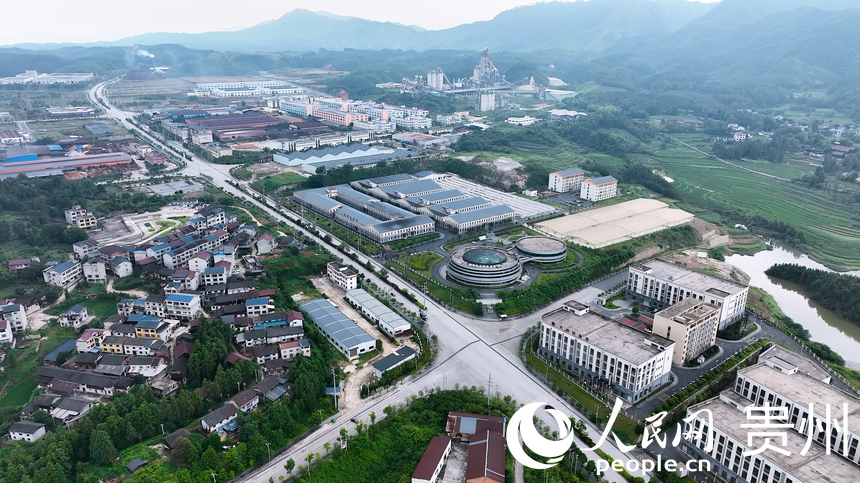
In the landscape of industrial development, we often look to high-tech hubs for growth narratives. However, the transformation of Jinping county in Guizhou Province offers a masterclass in specialized industrial scaling. By identifying a niche—shuttlecock manufacturing—and aggressively building a full-stack supply chain around it, this region has effectively inserted itself into the global sports equipment value chain, demonstrating how local manufacturing can achieve international relevance.
The numbers behind this growth are not just impressive; they are symptomatic of a highly optimized production model. Take Guizhou RSL Sports Culture Development Co., Ltd., which served as the anchor for this industrial ecosystem. In 2025 alone, the company pushed out over 7.11 million dozen shuttlecocks, resulting in a total output value of 825 million yuan (approximately $121 million). That represents a staggering 46.3% year-on-year growth rate. This is not a hobbyist operation; it is a high-throughput manufacturing engine. When you consider that their exports hit $18.84 million—a 38.7% jump from the previous year—it becomes clear that Jinping is no longer just a dot on a map, but a global supplier, producing one out of every ten shuttlecocks consumed worldwide.
This development strategy illustrates the power of vertical integration. Instead of merely exporting raw materials, the region has captured more of the value chain by centralizing goose feather sourcing, processing, R&D, and brand management within a single economic zone. As noted in coverage by People's Daily, this stability has created a "magnetic effect," drawing in 17 specialized manufacturers that now produce everything from rackets and sports bags to professional gear and billiard tables. By the end of 2025, this cluster of businesses had pushed the total industrial output value for the sports equipment sector in the county to 926 million yuan.
Beyond the raw manufacturing metrics, the strategy of pivoting into "sports tourism" is a brilliant move in risk management and revenue diversification. By leveraging local events like the "Village Badminton" tournament, the county is converting a production facility into a consumer-facing destination. This integrates the industrial life cycle with the service sector, effectively creating a feedback loop where sports culture promotes product sales and vice-versa.
The success of Jinping serves as a practical blueprint for regional development: leverage a single anchor enterprise, build a comprehensive supply chain to reduce logistics costs and increase margins, and finally, wrap the industrial output in a consumer brand or experience that generates secondary revenue. As China continues to optimize its manufacturing corridors, the ability to replicate this model of targeted, high-growth industrial clusters will be the primary driver for narrowing the regional economic gap. It is a compelling example of how traditional manufacturing, when managed with modern efficiency and strategic vision, can anchor an entire county’s economic future.
News source: https://peoplesdaily.pdnews.cn/china/er/30052642005